
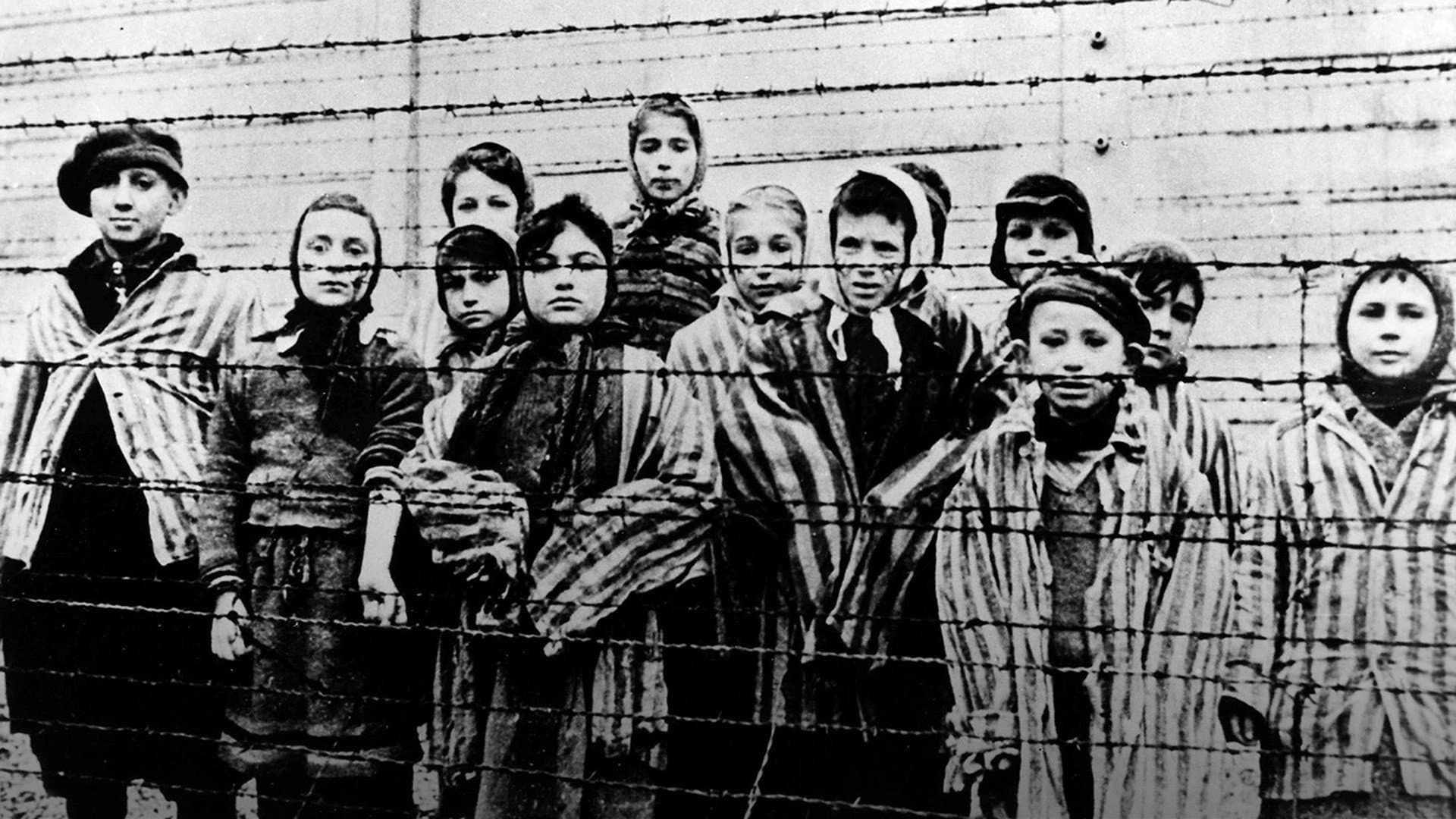

Annihilation
Seventy years after the liberation of Auschwitz, we have not finished accounting for the destruction of Europe's Jewish population. One question remains today: not why, but how was the Shoah possible?
Seasons

E1The End of Illusions
Dec 19, 2014
Germany, 1933. Adolf Hitler, at the head of the Nazi Party, has just become Chancellor and is faced with leading a republic in the throes of economic crisis and rampant inflation. Hitler used the cult of personality nurtured by his propaganda chief Joseph Goebbels, who spread the Nazi?s xenophobic and anti-Semitic ideology which Hitler had been touting since the First World War and which he reiterated in Mein Kampf: the Jews, he claimed, were part of an international conspiracy against Germany.
E2The Trap
Dec 19, 2014
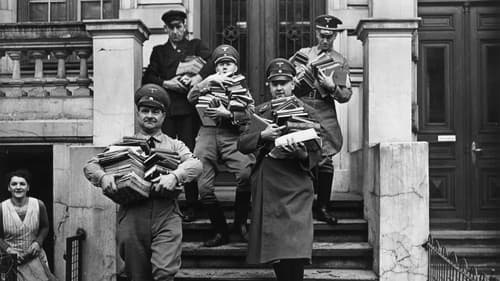
In 1938, the Third Reich, which had just annexed Austria, was applying a policy of systematic expulsion of foreign Jews resident on its territory. By 1 January 1939, there were no longer any Jewish businesses on Reich soil. The situation of German Jews grew worse: banished from German society, demonized by the regime, they were presented as the enemy within, but no longer had any possibility of leaving the country. The invasion of Poland by the Reich, on 1 September 1939, dragged Europe into the Second World War but war was just the start of the horror that was to come.

E3The Nazi Machine
Dec 19, 2014
By June 1940, Nazi Germany had occupied Paris. France was cut in two: north of the demarcation line was the German-occupied zone, to the south was a zone headed by Marshal Pétain, whose seat of government was in the central spa town of Vichy. The Vichy regime very quickly, and without pressure from the Germans, passed the first Jewish laws. With the first of these, prefects in the southern zone had the right to lock up foreign Jews and Jewish refugees in camps.

E4In the Face of Death
Dec 19, 2014
Leading historians reflect on the barbarity of the Holocaust. By 1941, the Nazis were using gas as the hideous method for mass killings at their death camps - including Auschwitz.

E5The Final Solution
Jan 16, 2015
In the Warsaw ghetto, Emanuel Ringelblum and the other members of the documentary group Oyneg Shabbos collected whatever they could to recount life in the ghetto; newspaper articles, erudite texts, even concert tickets and children's drawings. When they learn of the death at Chelmno of Jews from neighboring towns and from the Lodz ghetto at the end of 1941, they realized that the Nazis and their local auxiliaries had embarked on an operation of annihilation. In mid-March 1942, the ghetto of Lublin was liquidated and the round-ups of Jews continued - with the process of annihilation accelerated after the assassination of Reinhard Heydrich, the head of the Reich's security services and organizer of The Final Solution.

E6The Survivors
Jan 16, 2015
By summer 1942, deportations were systematic across those parts of Europe occupied by the Nazis. The convoys which arrived in Auschwitz-Birkenau came from Poland, but also from western and southern Europe. Hitler issued an order for all Polish Jews to be killed before December 1942. The pace of deportations once again picked up, and the children from the ghetto of Lodz were deported starting from early September. The death camps had to be reorganized to deal with the greater number of people. But the war was changing - the Soviet victory in Stalingrad and things were starting to tip in the Allies' favor. Himmler ordered the units of Special Action 1005 - which had been responsible since 1942 for disposing of evidence of the mass shootings which had accompanied Operation Barbarossa in the summer of 1941 - to erase all trace of the genocide in the extermination camps.
E7Autopsy of a Mass Murder
Jan 16, 2015
On 20 November 1945, the trial of the top brass of the Third Reich, including Göring, opened in Nuremberg, the city where the anti-Jewish laws were drawn up in 1935. One year later, the international military tribunal sentenced 12 of the accused to death, and a further seven to jail terms. Throughout the hearings, there was very little mention of the Holocaust; a handful of Jewish witness were called on to testify, and only Hans Frank, the Governor General of Poland, acknowledged the persecution which the Jews had suffered. But for post-war France, Britain and Germany, there was no wish to hold another trial. It was the American authorities who would bring to justice the senior figures, doctors and diplomats who were involved in the Holocaust. A young lawyer aged 27, Ben Ferencz, was entrusted with finding documents which could substantiate the accusations in 12 new trials, despite the fact that the Nazis had destroyed nearly all their archives at the end of the war.
E8Lest We Forget
Jan 16, 2015
Last in the deeply moving series about the Holocaust. While the hunt to find surviving Nazis continues today, efforts are being made to preserve the memory of their tragic victims.
Storyline
Seventy years after the liberation of Auschwitz, we have not finished accounting for the destruction of Europe's Jewish population. One question remains today: not why, but how was the Shoah possible?
Recommended

WWII in HD
2009

World War II in Colour
2009
The War
2007

American Experience
1988

The World at War
1973

Rise of the Nazis
2019

The American Revolution
2025

Marvel Studios Legends
2021
Nazi Megastructures
2013

Leaving Neverland
2019

Top Gear
1978

Disney Gallery / Star Wars: The Mandalorian
2020
More Like This
The Diary of Anne Frank
2009

The U.S. and the Holocaust
2022

The Abyss – Rise and Fall of the Nazis
2021
Rise of the Nazis
2019

Pillar of Fire
1981

A World Divided
2024

Auschwitz: The Nazis and the Final Solution
2005

War and Remembrance
1988

The Devil Next Door
2019

Apocalypse: The Second World War
2009
Hell on Earth
2022

Auschwitz, survivors tell their stories
2025