








watchman
9.0/10Dec 25, 2013
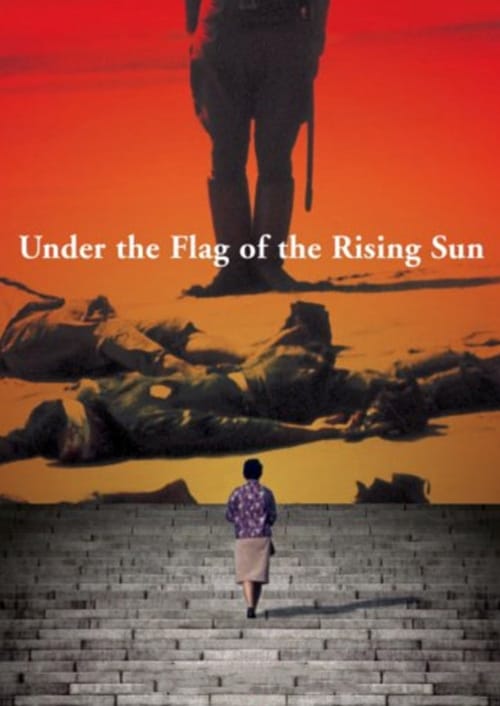
No big-budget battle picture, this is a small, intimate chamber of moral horrors. Fukasaku spares neither his characters nor his viewers to deliver a personal anti-war film that indicts an entire social system. People are tested to the breaking point, without meaning or goal except to escape a miserable death. By the end of the story, you are invited to conclude that no one who felt the brunt of the war survived it; that in truth the Japanese nation did not survive. Those who stay more or less intact seem frankly superhuman. Prominently featured: sham leadership, ethical vacuity, corruption, betrayal, guilt, and an individual struggle to to avoid being overwhelmed and erased. The flesh-and-blood characters double as social types in a harsh allegory of Japan’s collective refusal to admit unbearable truths. Little by little, the full weight of blame is laid on civil and military authorities. The Japanese Emperor himself is presented with a kind of grisly bar tab: 3.1 million Japanese lives lost to the war. It’s been said with reason that this movie is too accusatory be made in Japan today. Relentless as he may be, you never detect in Fukasaku an attitude either of cruelty or of smug superiority. He acknowledges human weakness, without quite excusing it; but his utmost condemnation is reserved for societies that recklessly sacrifice their citizens in the pursuit of power. Sachiko Hidari’s performance gives the movie its moral center. Though the tone is often surreal, there is never a false note from any of the actors. It’s really great work all round. The 2005 North American DVD release features a clean 16:9 transfer, and some unusually helpful extras.
Read full review